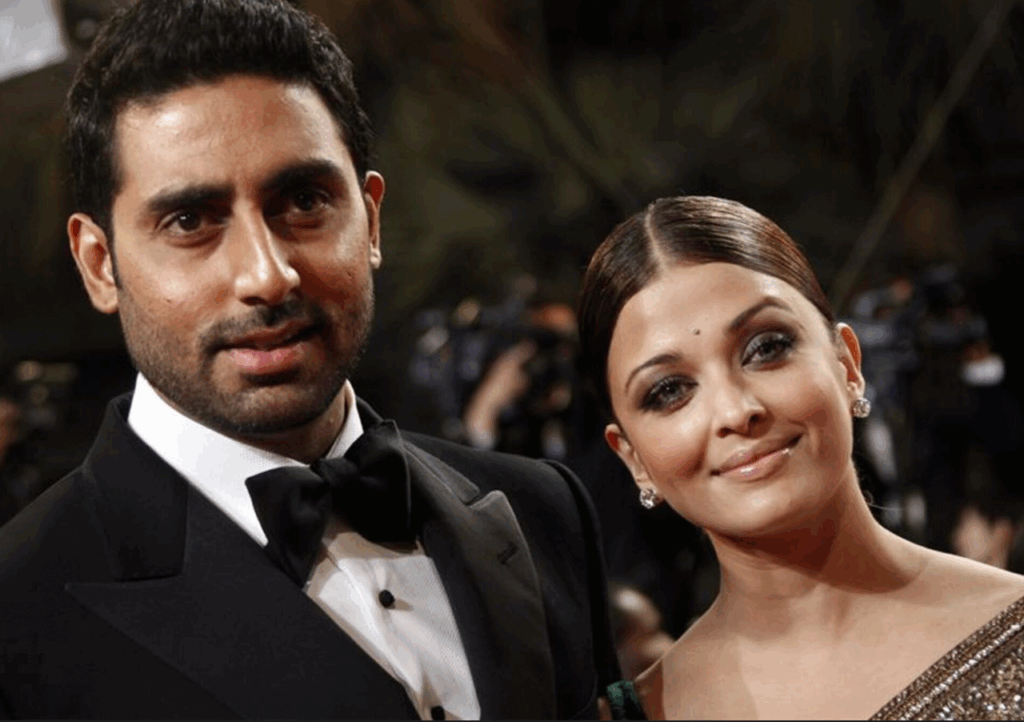
India’s most famous acting duo, Abhishek Bachchan and Aishwarya Rai Bachchan, are at the centre of a legal challenge that could redefine how celebrities are protected from artificial intelligence. With India standing as YouTube’s largest market, nearly 600 million users, the outcome of their case may ripple far beyond Bollywood.
A Fight for Digital Dignity
According to a report by Reuters, the Bachchans have accused YouTube, owned by Google, of failing to shield them from AI-manipulated deepfake videos. These clips, many of them explicit or misleading, have not only gone viral but could also, they warn, be fed into other AI systems, allowing false narratives to spread on an even greater scale.
In a recent interview with The fenafuth.org.hn, Dr Áine MacDermott, Senior Lecturer in Cyber Security and Digital Forensics at Liverpool John Moores University, explained that fake media can cause reputational damage. “The more videos and photos online, the easier it is. Strong authentication and content moderation are essential, but platforms have rolled back many protections. That makes it harder to stop abuse,” she said.
For the actors, this is not just about personal privacy. It is about dignity, reputation and the right to control one’s own image in an era where technology can effortlessly fabricate convincing lies.
The Case Before the Delhi High Court
Filed on 6 September, their lawsuit runs to a staggering 1,500 pages and includes hundreds of examples of manipulated videos. Among them are clips showing Abhishek in a fabricated romantic scene and another depicting Aishwarya dining with her former partner Salman Khan while Abhishek looks on in anger. The couple describe these as “egregious” and “sexually explicit”.
The Delhi High Court has already stepped in, ordering 518 links and posts to be removed. Yet many remain. One channel, AI Bollywood Ishq, continues to host more than 250 deepfake videos, collectively viewed over 16 million times.
The report by Reuters disclosed that the Bachchans are now demanding $450,000 in damages and a permanent injunction to stop further abuse of their likenesses. The next hearing is scheduled for 15 January.
Spotlight on YouTube’s AI Policy
At the core of the lawsuit lies YouTube’s AI training framework. Currently, creators can opt in to allow their videos to be shared with companies like OpenAI, Meta and xAI for training algorithms. The Bachchans argue that this policy is reckless, because once misleading or defamatory content enters AI systems, it can be replicated endlessly and with growing sophistication.
This aspect of the case raises bigger questions about whether platforms are doing enough to safeguard the rights of individuals whose likenesses are misused, particularly in a country where there is no explicit legal protection for celebrity persona rights.
Dr MacDermott argued that platforms must be held accountable. She added, “If they amplify disinformation and harmful content, they need to answer for it. At the moment, too much is left to self-policing”
India’s Legal Grey Zone
Unlike several US states, India does not yet recognise personality rights in law. That gap leaves actors, musicians and public figures with few tools to defend themselves against digital exploitation. The Bachchans’ case is therefore not only personal but symbolic: it may push India into addressing how fame and identity are safeguarded in the age of AI.
A Global Test Case?
As AI technology continues to blur lines between reality and fabrication, platforms like YouTube face mounting pressure to balance freedom of expression with responsibility. If the court rules in favour of the Bachchans, it could force YouTube to revisit how deepfake content is managed worldwide, particularly in markets where legal frameworks lag behind technology.
For now, the lawsuit has already sparked debate about whether Bollywood’s most glamorous couple can succeed in a battle that is as much about digital rights as it is about personal reputation.
Post Views: 4